Understanding Steel Fabrication
Steel fabrication is a fundamental process in various industries, particularly in construction, manufacturing, and metalworking. It involves shaping, cutting, and assembling steel to create structures and components that meet specific requirements. The versatility and strength of steel make it an ideal choice for a wide range of applications, from beams in skyscrapers to intricate designs in railings and gates. For homeowners and contractors in the UAE, particularly in Fujairah, understanding the nuances of Steel fabrication can significantly impact the quality and durability of their projects.
What is Steel Fabrication?
At its core, steel fabrication is the process of creating metal structures by cutting, bending, and assembling steel materials. This process can be performed using various techniques and technologies, including manual craftsmanship and advanced CNC (Computer Numerical Control) machinery. The goal is to produce customized components that are integral to construction projects, such as frames, supports, and decorative elements.
Types of Steel Used in Fabrication
There are several types of steel used in fabrication, each with unique properties suited for different applications:
- Carbon Steel: Known for its tensile strength and versatility, carbon steel is commonly used in construction and manufacturing.
- Stainless Steel: Resistant to corrosion and staining, stainless steel is ideal for projects requiring durability and aesthetic appeal.
- Alloy Steel: Enhanced with various elements, alloy steel offers superior strength and resistance, making it suitable for specialized applications.
- Tool Steel: Designed for manufacturing tools, this type of steel is characterized by its hardness and ability to maintain sharp edges.
Applications of Steel Fabrication in Construction
Steel fabrication is integral to the construction industry. Its applications include:
- Structural Steel: Used for building frameworks, bridges, and large commercial buildings.
- Architectural Elements: Custom railings, gates, and decorative features are essential for both functionality and aesthetics.
- Industrial Equipment: Tanks, machinery frames, and operational components essential for various industries.
- Residential Projects: Gates, fences, and installations for villas and homes across the UAE.
Benefits of In-House Steel Fabrication
In-house steel fabrication has become increasingly valuable for construction businesses and contractors, offering numerous advantages over outsourcing fabrication work.
Ensuring Quality Control
When fabrication is handled in-house, it allows for rigorous quality control throughout the manufacturing process. This ensures that every component meets the specified standards and aligns with the overall project requirements. Without the risk of miscommunication or quality disparities, customers can trust that the final product will withstand the test of time and environmental influences.
Reducing Lead Times in Project Completion
In-house fabrication significantly reduces lead times, allowing projects to progress without unnecessary delays. By controlling the entire process, from design to installation, companies can respond quickly to changes and adjustments. This agility is crucial in the fast-paced construction environment, especially in a growing region like Fujairah.
Customized Solutions for Unique Projects
Every construction project is different, each requiring tailored solutions. In-house fabrication allows businesses to offer customized designs that meet the specific needs of their clients. Whether it’s a unique gate design for a villa or structural components for a commercial building, the ability to adapt designs on the fly enhances client satisfaction and project outcomes.
Common Techniques in Steel Fabrication
Steel fabrication encompasses various techniques, each suited for specific applications and project requirements.
Welding Methods and Their Applications
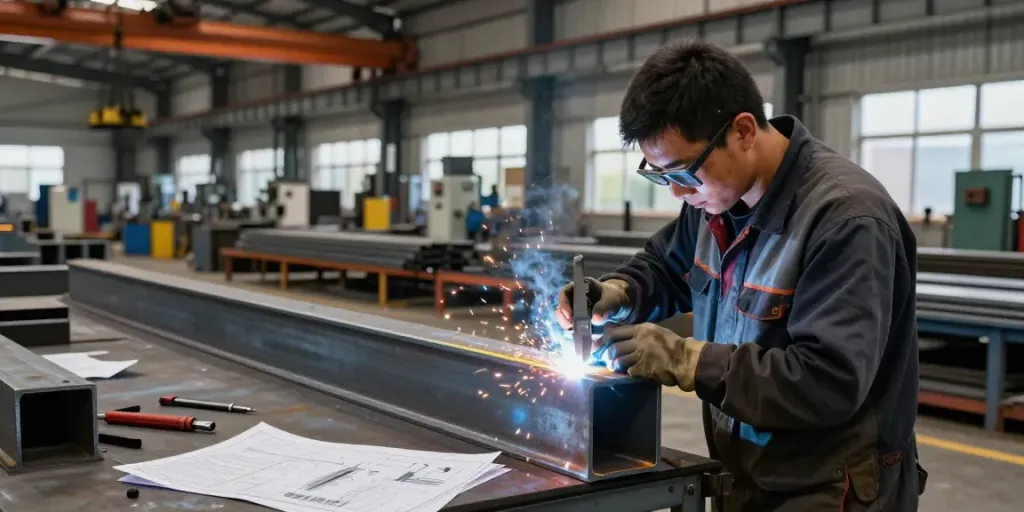
Welding is a central component of steel fabrication and can be performed using several methods:
- MIG Welding: An efficient method using a continuous wire feed, ideal for fast production.
- TIG Welding: Offers high precision and is perfect for thinner materials and intricate designs.
- Stick Welding: A versatile option for outdoor projects, suitable for various steel types.
CNC Cutting and Machining Processes
CNC cutting and machining have revolutionized steel fabrication, significantly enhancing precision and repeatability. Techniques include:
- Laser Cutting: Provides high precision cuts with minimal material waste.
- Plasma Cutting: A faster method ideal for thicker sheets of steel.
- Waterjet Cutting: Uses high-pressure water streams to cut intricate designs without heat distortion.
Finishing Techniques to Enhance Durability
Finishing processes are vital to protect steel from environmental challenges, particularly in coastal areas like Fujairah where saltwater can lead to corrosion. Common techniques include:
- Galvanizing: Coating steel with zinc to prevent rust formation.
- Powder Coating: Applying a polymer powder for a durable, aesthetic finish.
- Painting: Traditional method offering additional aesthetic options and protection.
Choosing the Right Steel Fabrication Services
For homeowners and contractors seeking steel fabrication services, making the right choice is crucial to ensuring project success. Here are key factors to consider:
What to Look for in a Fabrication Partner
Selecting a reliable fabrication partner requires careful evaluation. Look for:
- Experience: A long history in the industry often reflects reliability and expertise.
- Certifications: Ensure the company holds necessary certifications for quality standards.
- Quality of Work: Request samples or evidence of past projects to gauge their craftsmanship.
Evaluating Past Projects and Client Testimonials
Previous work and client feedback can provide insight into a fabrication company’s capabilities. Look for:
- Diversity of Projects: Engaging with different types of projects is often indicative of versatility.
- Client Satisfaction: Positive testimonials can reassure potential clients regarding a fabricator's reliability.
Understanding Pricing Models in Steel Fabrication
Pricing clarity is essential when selecting a fabrication partner. Be sure to understand:
- Quotation Details: Ensure the quotation includes all aspects of the project, from materials to labor costs.
- Additional Costs: Clarify any potential extra charges that may arise during the project.
Future Trends in Steel Fabrication for 2026
The steel fabrication industry is continually evolving, with several trends poised to shape its future. Understanding these advancements can help businesses stay ahead of the curve.
Advancements in Technology and Equipment
As technology progresses, steel fabrication is increasingly leveraging advanced equipment, including robotics and AI-driven design software. These innovations enhance precision, reduce labor costs, and improve efficiency.
Green Practices in Steel Fabrication
Sustainability is becoming a priority in steel fabrication. Companies are adopting green practices such as recycling scrap metal, using eco-friendly finishes, and implementing energy-efficient processes to minimize environmental impact.
The Role of Automation in Future Operations
Automation plays a crucial role in the future of steel fabrication. Automated systems can streamline production processes, reduce errors, and enable faster turnaround times. Embracing automation can enhance competitiveness in an increasingly challenging market.
FAQs about Steel Fabrication
What is steel fabrication?
Steel fabrication involves creating structures and components from steel through processes such as cutting, bending, and assembling.
How long does steel fabrication typically take?
Fabrication times vary based on the complexity of the project but typically range from 2-5 weeks, depending on the design and requirements.
What are the different methods of steel fabrication?
Common methods include welding, CNC cutting, and machining, each suited for specific applications and project needs.
Can I customize my steel fabrication project?
Yes, in-house steel fabrication allows for extensive customization to meet the unique requirements of each project.
What should I consider when choosing a steel fabricator?
Consider factors such as experience, quality of past work, client testimonials, and clarity in pricing when selecting a fabricator.