
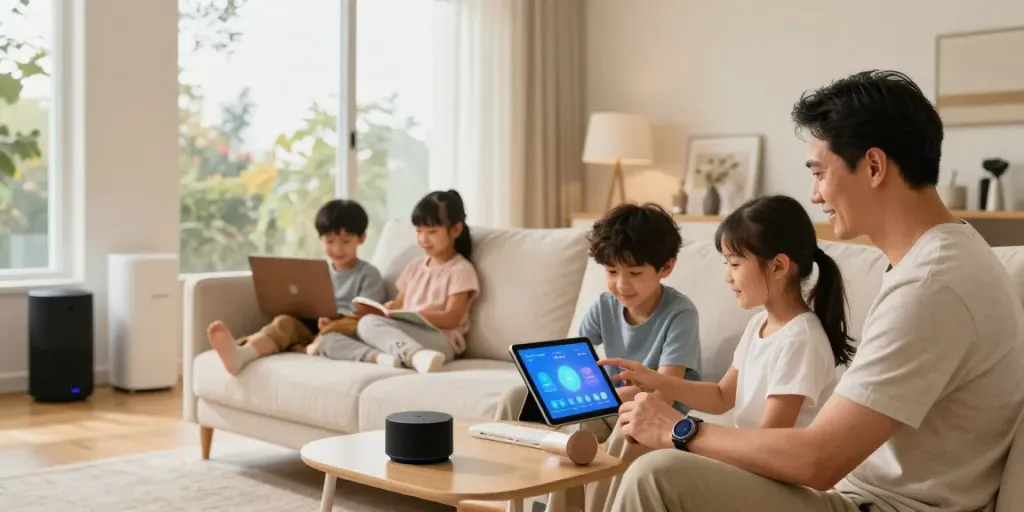
Understanding Smart Home Technology
As technology continues to evolve, the concept of a smart home has become more than just a trend; it represents a significant shift in how we interact with our living spaces. Home automation enables homeowners to manage and control various systems and devices seamlessly through the internet. When exploring options, خانه هوشمند جهان اسمارت provides comprehensive insights into how to make your home more efficient and connected.
What is a Smart Home System?
A smart home system integrates various devices and appliances into a single, manageable network that can be accessed remotely. These systems often include smart lighting, thermostats, security cameras, and home entertainment systems, all of which can be controlled through smartphones or voice commands. The primary goal is to enhance convenience, energy efficiency, and security.
Components of a Smart Home
Some common components include:
- Smart Speakers: Devices like Amazon Echo or Google Home that act as control hubs.
- Smart Lighting: LED bulbs that can be controlled remotely or set on a schedule.
- Smart Thermostats: Devices that learn user preferences and optimize energy use.
- Smart Security Systems: Cameras and alarms that offer remote access and notifications.
Benefits of Smart Home Automation
Smart home automation affords numerous benefits, including:
- Convenience: Control multiple devices from a single app or device.
- Energy Efficiency: Optimize energy use, leading to lower utility bills.
- Enhanced Security: Monitor homes remotely and receive alerts about unusual activity.
- Comfort: Adjust the environment to individual preferences automatically.
Key Products and Brands
Innovative Smart Locks: Features and Benefits
Smart locks represent a leap in home security technology, allowing users to lock or unlock doors via smartphones or biometric methods. Popular models like the Bosch FU5 PLUS and Bosch FU30 PLUS offer robust security features, including real-time alerts and remote access management.
Advanced Smart Audio Systems Overview
Smart audio systems enhance entertainment experiences by enabling users to control music throughout their homes seamlessly. Brands like TUYA and MOES provide advanced products that integrate with various smart home systems, offering multi-room audio capabilities and voice control.
Top Brands for Smart Home Solutions
Some of the leading brands in smart home technology include:
- Bosch: Known for its innovative smart locks and security features.
- SHARP: Offers advanced facial recognition locks for enhanced security.
- Benica: Specializes in smart switches and touch panels.
- Akuvox: Provides smart intercom systems that enhance communication capabilities.
Integration and Installation Challenges
Common Obstacles in Smart Home Setup
While the benefits of smart home automation are enticing, there are several challenges to consider during setup. Issues such as compatibility between devices, network reliability, and user familiarity with technology can complicate the installation process.
How to Troubleshoot Smart Devices
Common troubleshooting steps include:
- Ensuring devices are connected to the same Wi-Fi network.
- Resetting devices to factory settings when malfunctioning.
- Updating software regularly to prevent compatibility issues.
- Checking user manuals for specific device issues.
Best Practices for Smooth Integration
To ensure a seamless smart home experience, it’s advisable to:
- Choose compatible devices from the same ecosystem (e.g., all Google or all Apple devices).
- Utilize a mesh Wi-Fi system to improve network coverage.
- Consider professional installation for complex systems.
Future Trends in Smart Home Technology
Emerging Products for 2026 and Beyond
As we look toward the future, emerging products such as AI-integrated devices and advanced security systems are poised to dominate the market. Home automation will continue to evolve, with an emphasis on user-friendliness and enhanced functionality.
Predicted Trends in Home Automation
Expect to see:
- Increased adoption of voice-activated systems.
- More focus on home health technology (e.g., air quality monitors).
- Integration of renewable energy solutions within smart homes.
The Growing Importance of Security in Smart Homes
With greater connectivity comes increased vulnerability. Therefore, smart home security will become paramount, incorporating features like end-to-end encryption and multi-factor authentication in products like smart locks and surveillance systems.
Case Studies and Real-World Applications
Success Stories of Smart Home Transformations
Various homeowners have successfully transformed their living environments through smart technology. For instance, an apartment in Tehran was retrofitted with smart locks and lighting, significantly improving security and energy efficiency.
Commercial Smart Home Implementations
Businesses are also reaping the benefits of smart home technology. Commercial spaces equipped with smart lighting and HVAC systems report reduced operational costs and improved employee satisfaction.
Measuring the Impact of Smart Home Systems
To gauge the effectiveness of smart home implementations, homeowners can look at metrics such as energy savings, reduction in security incidents, and overall satisfaction from home automation features.
What are the benefits of smart home automation?
Smart home automation enhances convenience, energy efficiency, and security, providing users with complete control over their home environments, often with automated features that adapt to their lifestyles.
How do I choose the right smart home products?
Selecting the right products involves assessing compatibility, considering user reviews, and ensuring that the chosen devices fit within your budget and needs.
Are smart homes more secure than traditional homes?
Yes, smart homes often offer superior security features, such as remote monitoring, real-time alerts, and advanced locking systems, which can deter intruders more effectively than traditional security methods.
What is the future of smart home technology?
Future smart home technology is likely to incorporate AI for personalized experiences, expanding device interoperability, and enhanced security measures to keep pace with emerging threats.
How can I troubleshoot issues with my smart home system?
Regular maintenance, updating software, and ensuring devices are on the same network are key to troubleshooting and resolving issues with smart home systems.